

Second Story Addition Cost in MA (2026)
Adding a second story is one of the most effective ways to gain bedrooms, bathrooms, or a home office without giving up yard space. It is also a major structural project. This 2026 Massachusetts guide explains realistic planning ranges, the decisions that affect price, permitting and zoning considerations, and how to compare building up with building out.
Planning a second story in Massachusetts?
Colony Home Improvement can evaluate your existing structure, zoning constraints, design goals, and likely construction range before you commit to a plan.
Request a free project consultation or review our second-story addition services.
How Much Does a Second Story Addition Cost in Massachusetts?
In Massachusetts, most homeowners can expect a second story addition cost between $300,000 and $600,000+.
Typical cost ranges:
-
Partial second story addition: $250,000 – $400,000
-
Full second story addition: $350,000 – $600,000+
-
Cost per square foot: $300 – $500+
Higher-end homes, coastal towns, or projects involving major structural upgrades can exceed these ranges.
These are planning ranges—not a substitute for an on-site evaluation. Foundation capacity, stair placement, roof removal, mechanical upgrades, finish level, and local requirements can materially change the price. Ask Colony Home Improvement to review your project.
👉 If you’re comparing options, it’s worth speaking with experienced home addition contractors in Massachusetts early to avoid underestimating scope.
What Drives the Cost of a Second Story Addition?
Second story addition costs aren’t just about square footage. The biggest cost drivers include:
1. Existing Structure & Foundation
Many homes need:
-
Foundation reinforcement
-
New load-bearing walls
-
Structural steel or LVL beams
Older homes often require more work, increasing cost but improving long-term safety.
2. Full vs. Partial Second Story
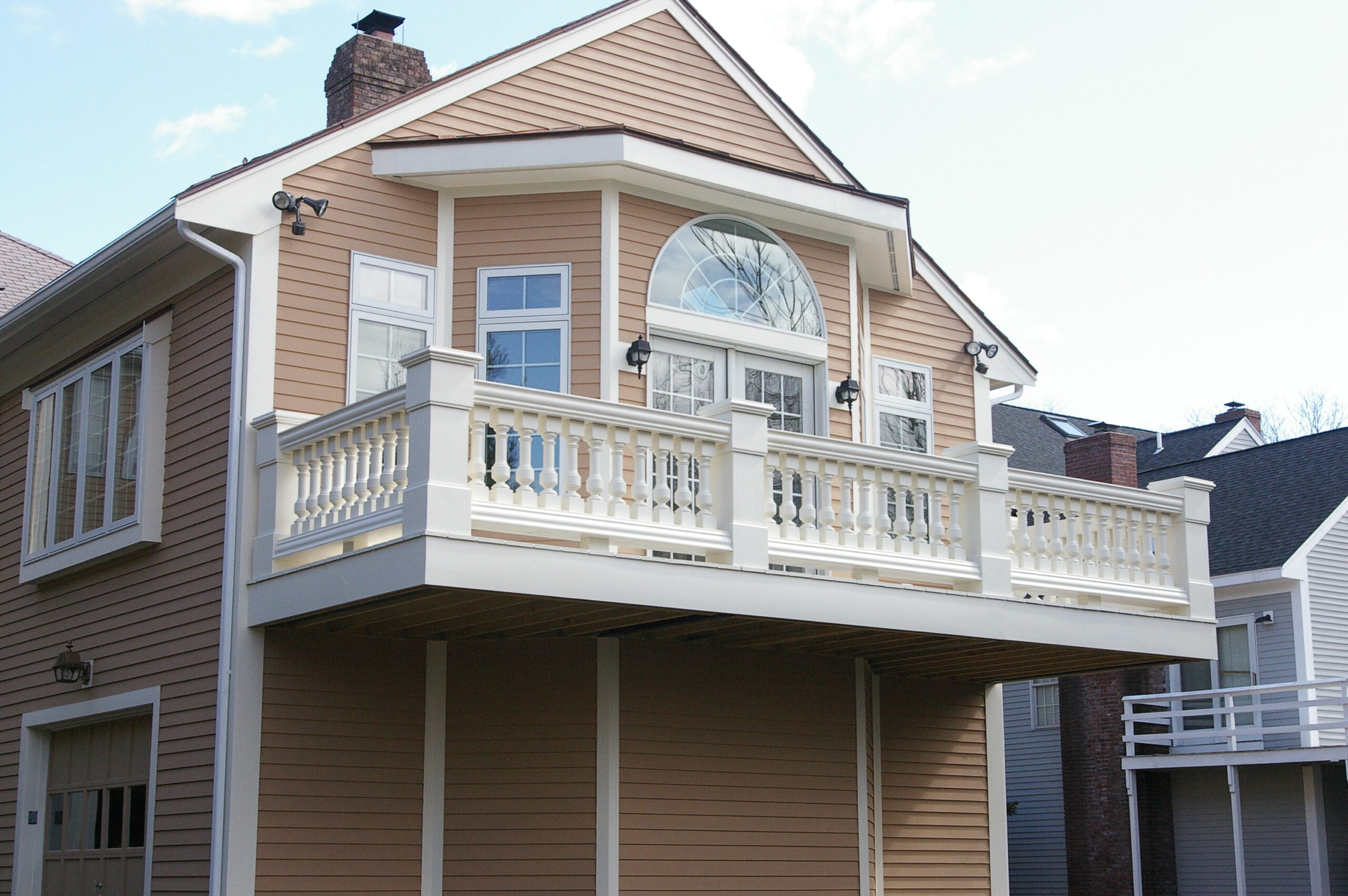
A partial second story addition (over a garage or wing) can cost significantly less than removing the roof and rebuilding an entire second level.
This is why costs vary so dramatically between homes that look similar from the outside.
3. Interior Reconfiguration
Adding a second floor almost always means:
-
Reworking stairs
-
Reconfiguring first-floor layouts
-
Updating electrical, plumbing, and HVAC systems
- Bathroom renovation
These “hidden” changes account for a large portion of the total cost.
4. Permits, Zoning, and Local Requirements
Massachusetts towns each have their own rules for:
-
Height limits
-
Setbacks
-
Floor-area ratios (FAR)
In towns like Needham, Scituate, Cohasset, and Pembroke, zoning constraints can affect design options and approvals.
If you’re planning locally, it helps to work with contractors experienced in second story additions in your specific town.
Is It Cheaper to Build Up or Build Out?
In many Massachusetts neighborhoods, building up is often more cost-effective than building out, especially when:
-
Lot coverage is limited
-
Setback rules restrict additions
-
Property values justify the investment
That said, second story additions typically require more structural work upfront, while ground-level additions may involve more excavation and foundation work.
A design-build approach helps homeowners evaluate both options before committing.
Second Story Addition vs. Dormer or Attic Conversion
Some homeowners consider alternatives like:
These can cost less and work well when ceiling height and roof structure allow. You can see examples of dormer and attic remodeling projects to compare scope and outcomes.
However, they don’t always deliver the same flexibility or square footage as a true second story addition.
Timeline: How Long Does a Second Story Addition Take?
Most second story additions in Massachusetts take:
-
Design & permitting: 2–4 months
-
Construction: 4–6 months
Projects with complex zoning approvals or structural changes may take longer.
Is a Second Story Addition Worth It?
In strong Massachusetts housing markets, a well-designed second story addition can:
-
Dramatically increase usable space
-
Improve resale value
-
Allow families to stay in neighborhoods they love
The key is realistic budgeting and experienced planning — especially when costs approach the upper end of the range.
Planning a Second Story Addition in Massachusetts
Every home is different. The best way to understand your real second story addition cost is through a detailed evaluation of:
-
Existing structure
-
Zoning requirements
-
Design goals
-
Construction sequence
See What a Well-Planned Addition Can Accomplish
Review our Needham addition case study and Wellesley garage, sunroom, and deck project to see how design, structure, and construction come together.
Get a realistic range for your home
The best next step is an evaluation of your existing structure, local zoning, desired square footage, and finish level.