

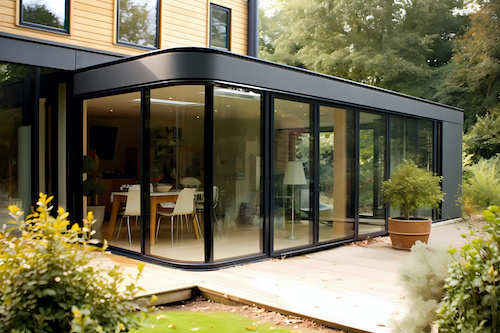
In-Law Screened Porch Addition in Massachusetts: A Complete Guide for South Shore & Metro West Homeowners
Multi-generational living is on the rise across Massachusetts—and for good reason. Whether you’re welcoming aging parents, a grown child moving back home, or extended family settling in for the long term, one of the most thoughtful ways to expand your home is with an in-law screened porch addition. This type of project pairs beautifully with an existing or new in-law suite, giving your family member a private outdoor retreat that’s comfortable, bug-free, and genuinely livable. If you’re a homeowner on the South Shore or in Boston’s Metro West, Colony Home Improvement has the local expertise to bring this kind of project to life—from the first design conversation to the final inspection.
What Is an In-Law Screened Porch Addition?
An in-law screened porch addition is a screened porch built in direct connection with—or as part of—an in-law suite or accessory dwelling unit. Unlike a standard open deck, a screened porch provides insect protection, wind buffering, and a semi-enclosed feel that makes the space usable throughout Massachusetts’s warm months. It functions like an extra room, but one that stays open to fresh air and natural light.
For in-law living arrangements, this addition solves a common problem: how do you give a family member genuine independence and outdoor access without building a fully detached structure? A screened porch does exactly that. It creates a natural buffer zone between the in-law’s living quarters and the main household, while giving them a welcoming spot to drink their morning coffee, read in the afternoon shade, or entertain their own guests.
According to The Spruce, screened porch additions rank among the most versatile and cost-effective types of home additions—particularly when they’re tied to a dedicated in-law or guest suite.
Why More Massachusetts Homeowners Are Investing in This Project
The demand for in-law additions in Massachusetts has grown steadily as housing costs rise and multigenerational households become the norm rather than the exception. Adding a screened porch specifically for an in-law suite addresses the practical and emotional dimensions of shared living: it gives your family member a space of their own without requiring them to feel like a guest in someone else’s home.
Here’s why homeowners across the South Shore and Metro West are choosing this type of project:
- Comfort and independence: A private outdoor space gives in-laws a place to relax, entertain, or simply decompress—on their own schedule.
- New England usability: Screened porches cut through one of Massachusetts’s biggest outdoor living challenges: biting insects. From late spring through early fall, a screened porch is the difference between a space that gets used daily and one that gets avoided.
- Real estate value: In-law suites with dedicated outdoor space are increasingly attractive to buyers. A high-quality screened porch addition increases both daily livability and long-term resale value.
- Permitting simplicity: In many Massachusetts towns, a screened porch is treated differently than fully conditioned living space, which can streamline the permitting process compared to a traditional room addition.
If you’re weighing whether this project makes sense for your property, the fastest way to get real answers is to request a free quote from a contractor who knows your town’s zoning codes and building requirements inside and out.
Planning Your In-Law Screened Porch Addition: What to Know Before You Build
A successful addition starts well before the first nail is driven. Here are the key planning considerations for Massachusetts homeowners.
1. Zoning, Permits, and Local Regulations
Every Massachusetts municipality has its own zoning bylaws governing setbacks, lot coverage limits, and what qualifies as habitable space. The City of Boston’s home improvement and contracting tips offer a solid starting framework, but requirements differ significantly from town to town. Working with an experienced general contractor who regularly pulls permits in your community ensures your project is built correctly and legally from day one.
2. Design for Accessibility and Flow
The best in-law screened porch additions are designed with the user’s needs front and center. Consider minimal step transitions (or none at all), wider doorways to accommodate mobility aids, anti-slip composite decking, and ample lighting for evening use. If your in-law suite includes a primary bedroom suite, ideally the screened porch flows directly from that space so your family member can step outside without walking through the main home.
3. Material Selection for the Massachusetts Climate
New England weather is unforgiving. Your screened porch needs to handle cold, damp winters and humid summers without warping, rotting, or requiring constant upkeep. Popular choices include composite or PVC decking, pressure-treated framing, fiberglass or aluminum screening systems, and powder-coated hardware. These materials hold up better over time than traditional wood and reduce your long-term maintenance burden significantly.
4. Think About Companion Projects
Many homeowners combine a screened porch addition with related upgrades that make the in-law suite fully functional. A bathroom remodel can modernize aging fixtures in the in-law’s private bath. New siding ties the new addition visually into the existing home exterior. And if your in-law suite needs more square footage, a full home addition may be worth considering alongside the porch project. Bundling related work under one contractor typically reduces total cost and minimizes disruption.
In-Law Screened Porch Additions Across the South Shore & Metro West
Colony Home Improvement works with homeowners throughout southeastern Massachusetts and Boston’s Metro West. Here’s how in-law screened porch projects come together in some of the towns we serve most frequently:
- Hingham: Hingham’s classic colonial and craftsman homes lend themselves beautifully to screened porches with traditional trim details and painted wood columns. Many projects here are side-entry designs that don’t disrupt the home’s street-facing facade.
- Scituate: Coastal exposure is a real factor in Scituate. Homeowners here prioritize marine-grade screening materials and corrosion-resistant hardware, and they appreciate the way a screened porch captures the sea breeze while keeping out coastal insects.
- Duxbury: Generous lot sizes in Duxbury often allow for larger, more ambitious screened porch designs—think multiple seating zones, outdoor dining areas, and even an attached grilling space adjacent to the in-law suite.
- Wellesley: In Wellesley’s denser suburban neighborhoods, screened porches for in-law suites are carefully positioned to maximize privacy from neighboring properties, often using strategic lattice panels or plantings as a complement to the screening itself.
- Newton: Newton homeowners frequently pair in-law screened porches with sunroom additions, giving family members both a screened seasonal space and a fully enclosed, climate-controlled room for year-round use.
- Needham: Mature trees and established landscaping in Needham provide natural shade that screened porches can take full advantage of—creating a cool, sheltered retreat even on the hottest summer days.
What to Expect When You Work with Colony Home Improvement
At Colony Home Improvement, every in-law screened porch project starts with a thorough property assessment and a detailed design conversation. We don’t believe in one-size-fits-all solutions—your home’s layout, your family’s needs, and your town’s permitting requirements all shape what we build. Once we’ve aligned on a design, we handle everything: permits, structural framing, screening systems, finish carpentry, and final inspections.
Our team has built a strong reputation across the South Shore and Metro West for additions that look like they were always part of the original home. Whether you’re adding a screened porch off an existing in-law suite or building the suite and porch together as a complete home addition, we have the experience to deliver the project on time and on budget.
Want a better sense of what goes into a residential addition from a construction standpoint? This video walks through the framing and structural process that forms the backbone of any quality addition project:
Frequently Asked Questions
Do I need a permit for a screened porch addition in Massachusetts?
Yes. In virtually every Massachusetts municipality, a screened porch addition attached to your home requires a building permit. Requirements vary by town, so it’s critical to work with a contractor who understands local codes. Colony Home Improvement manages the permitting process on every project we take on.
How long does an in-law screened porch addition take to build?
Most screened porch additions take 4 to 8 weeks from groundbreaking to completion, depending on size and complexity. If the project includes a full in-law suite build-out alongside the porch, the total timeline may extend to 3 to 6 months. Permitting timelines in Massachusetts can add a few weeks on the front end, which is why early planning matters.
Can a screened porch be used year-round in Massachusetts?
With the right upgrades—insulated screening panels, outdoor infrared heaters, or a conversion to a three-season or four-season sunroom—a screened porch can be comfortable well into fall and even winter. Many homeowners start with a screened porch and later convert it to a full sunroom as their needs evolve.
What is the difference between a screened porch and a sunroom for an in-law addition?
A screened porch is open to the environment with insect screening; a sunroom is fully enclosed with glass or polycarbonate panels and is typically climate-controlled. Screened porches are less expensive to build and feel more like an outdoor space, while sunrooms function as a true additional room year-round. Both are excellent options depending on your goals and budget.
Start Planning Your In-Law Screened Porch Addition Today
If you’re ready to give your in-law—or yourself—a better living arrangement, an in-law screened porch addition is one of the smartest investments you can make in your Massachusetts home. The best time to start planning is now: permitting and scheduling timelines mean that projects initiated in fall and winter are ideally positioned to break ground come spring.
Colony Home Improvement offers a no-obligation consultation to every homeowner across the South Shore and Metro West. We’ll walk through your goals, evaluate your property, and give you a clear and honest picture of what your project will involve—before you commit to anything. Request your free quote today and let’s build something your whole family will enjoy for years to come.