
Home Improvement Blog

A home addition can increase your living space.
home additions

Whole Home Renovation in Newton, MA: A Complete Planning Guide for Homeowners

A whole home renovation is one of the most impactful projects a homeowner can take on — and in a town like Newton, it’s often the smartest alternative to moving. Many homeowners love their neighborhood, schools, and community, but find that their home’s layout, systems, or functionality no longer fit their needs.

A successful whole home renovation in Newton, MA requires thoughtful planning, local experience, and a contractor who understands both modern building standards and the realities of Newton’s diverse housing stock. This guide walks through what homeowners should know before starting, how the renovation process typically works, and how to set your project up for long-term success.

Please get in touch if you’d like a free consultation from Colony Home Improvement!


What Is a Whole Home Renovation?

Home additions make perfect in-law suites.

Implement multi-generational living with home additions.

A whole home renovation goes beyond updating one or two rooms. It’s a coordinated effort to improve how the entire house functions, often involving:

  • Reconfiguring floor plans for better flow

  • Renovating kitchens and bathrooms

  • Updating electrical, plumbing, and HVAC systems

  • Improving insulation, windows, and energy efficiency

  • Finishing basements or attics

  • Modernizing interiors while preserving original character

In Newton, whole home renovations are especially common in older homes where layouts no longer match modern living patterns or where systems need comprehensive updates rather than piecemeal fixes.


Why Whole Home Renovations Are So Common in Newton

Newton’s housing stock is one of its biggest strengths — and one of the biggest drivers of renovation demand.

Older Homes With Great Bones

Many Newton homes were built decades ago and feature solid construction, mature lots, and architectural details that homeowners want to preserve. A whole home renovation allows families to modernize functionality without sacrificing charm.

Desirable Neighborhoods

From walkable village centers to quiet residential streets, Newton homeowners often prefer renovating over relocating. A whole home renovation makes it possible to stay put while adapting the home to new needs.

Changing Lifestyles

Growing families, work-from-home needs, and multigenerational living arrangements frequently push homeowners toward comprehensive renovations rather than small updates.


home addition contractor brookline maPlanning a Whole Home Renovation in Newton, MA

The planning phase is where successful projects are won or lost. Rushing decisions early almost always leads to delays or compromises later.

Define Clear Goals

Before focusing on design details, homeowners should clarify:

  • What problems are we trying to solve?

  • Which spaces feel most limiting today?

  • How do we want the house to function five or ten years from now?

Clear priorities help guide layout decisions and construction sequencing.


Understand the Scope

Not every whole home renovation looks the same. In Newton, projects may involve:

  • Renovating all living spaces at once

  • Combining renovation with an addition

  • Phasing work while keeping parts of the home livable

An experienced contractor helps determine what scope makes the most sense for the home and the homeowner’s lifestyle.


Design With the Existing Home in Mind

Newton homes vary widely in age and style. Good renovation design:

  • Works with existing structural elements

  • Respects architectural character

  • Improves flow without unnecessary complexity

  • Accounts for system upgrades behind the walls

Designing in harmony with the existing home leads to better results and fewer surprises during construction.


The Whole Home Renovation Process: What to Expect

While every project is unique, most whole home renovations in Newton follow a similar structure.

1. Initial Consultation and Evaluation

This stage includes a walkthrough of the home, discussion of goals, and early identification of potential challenges. Homes in Newton often reveal opportunities — and constraints — that shape the renovation plan.


2. Design Development and PermittingHome additions can accommodate your growing family.

During this phase:

  • Floor plans are finalized

  • Structural considerations are addressed

  • Permit documentation is prepared

  • Materials and finishes are selected

Familiarity with Newton’s permitting and inspection process helps keep projects moving smoothly.


3. Construction and Systems Work

Construction typically includes:

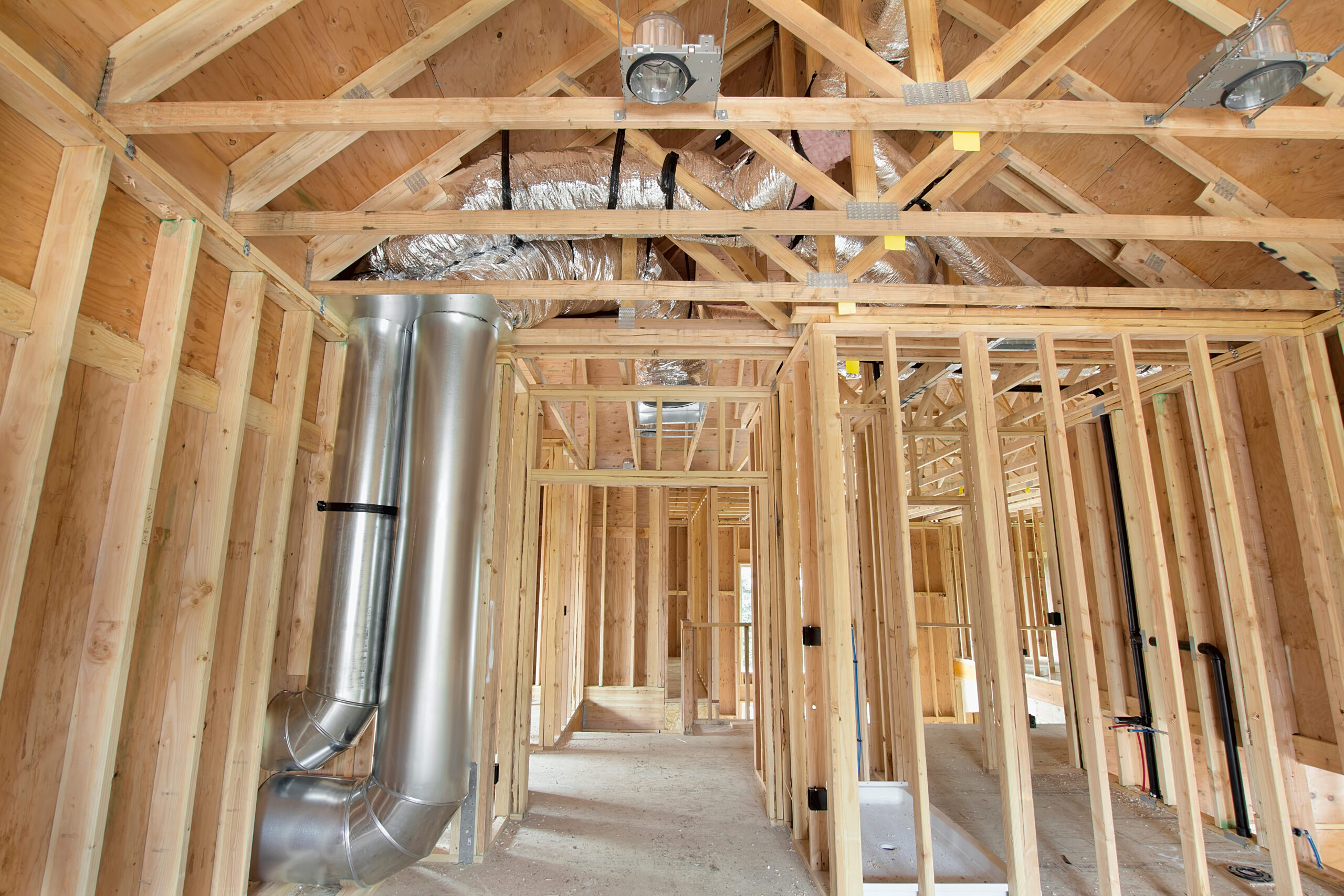
  • Selective demolition

  • Framing and structural modifications

  • Electrical, plumbing, and HVAC upgrades

  • Insulation and drywall installation

Older Newton homes frequently require adaptability during this phase as hidden conditions are uncovered.


4. Finishing and Completion

The final stage brings everything together:

  • Trim and millwork

  • Flooring installation

  • Painting and finishes

  • Fixture and appliance installation

  • Final inspections

Attention to detail during finishing work is what separates a good renovation from a great one.


Renovating Older Homes in Newton: Key Considerations

Many whole home renovation projects in Newton involve houses built long before modern construction standards. These homes require special care.

Common considerations include:

  • Preserving original moldings and details

  • Updating outdated wiring and plumbing safely

  • Managing uneven floors or walls

  • Improving energy efficiency without altering character

A knowledgeable contractor approaches these homes thoughtfully, balancing modernization with preservation.


Living Through a Whole Home Renovation

Some homeowners choose to remain in their home during renovation, while others relocate temporarily. Factors that influence this decision include:

  • Scope of work

  • Number of bathrooms affected

  • HVAC and electrical disruptions

  • Safety and dust considerations

Planning ahead helps homeowners make realistic decisions about living arrangements during construction.


Common Mistakes to Avoid

Whole home renovations are complex, but many challenges are preventable.

Underestimating Planning Time

Taking time to finalize plans and selections reduces mid-project changes and delays.

Choosing Experience Over Local Experience

General renovation experience matters — but local Newton experience matters more. Understanding the town’s housing stock and permitting process reduces risk.

Focusing Only on Aesthetics

Function, flow, and system upgrades are just as important as finishes in a whole home renovation.


Choosing the Right Contractor for a Whole Home Renovation in Newton, MA

The contractor you choose will shape every aspect of your renovation experience. Look for a team that:

  • Has proven experience with Newton homes

  • Communicates clearly and consistently

  • Manages timelines and trades effectively

  • Prioritizes craftsmanship and durability

A strong contractor doesn’t just build — they guide, plan, and problem-solve throughout the project.


Why Homeowners Trust Colony Home Improvement

At Colony Home Improvement, whole home renovations are approached with careful planning, local knowledge, and respect for the homes we work in. Our team has extensive experience renovating Newton properties of all styles and ages, helping homeowners modernize their spaces while preserving what makes their homes unique.

From early planning through final walkthroughs, our focus is on clear communication, quality craftsmanship, and a renovation process homeowners can feel confident in.


Is a Whole Home Renovation Right for Your Newton Home?

If you love where you live but feel limited by your home’s layout, systems, or functionality, a whole home renovation may be the right solution. With the right planning and the right renovation partner, your existing home can be transformed to meet your needs today and well into the future.

A successful whole home renovation in Newton, MA isn’t about shortcuts — it’s about thoughtful design, skilled execution, and a contractor who understands the town and its homes.


Start Planning Your Whole Home Renovation

If you’re considering a whole home renovation and want experienced guidance from a local team you can trust, Colony Home Improvement is here to help.

Contact us today to schedule a consultation and start the conversation about what’s possible for your Newton home.

Home additions can accommodate your growing family.
Home Improvement

Newton Home Renovation: A Complete Guide for Homeowners Planning Their Next Project

Renovating a home in Newton is both an exciting opportunity and a serious undertaking. Whether you’re updating a single level or rethinking the layout of your entire house, a successful Newton home renovation depends on thoughtful planning, local expertise, and a contractor who understands the unique character of Newton homes.

From historic Colonials to mid-century properties and newer builds, Newton’s housing stock presents distinct challenges—and opportunities—for homeowners looking to renovate. This guide walks through what a home renovation really involves, what Newton homeowners should consider before starting, and how to set your project up for long-term success.

If you think you’re ready to start your project, Colony Home Improvement can help you along in your journey. Reach out today for a free estimate and consultation.


What Counts as a Home Renovation?

A home renovation typically refers to improving or updating an existing structure without building an entirely new home. In Newton, renovation projects commonly include:

  • Reconfiguring floor plans for better flow

  • Renovating kitchens and bathrooms

  • Updating electrical, plumbing, or HVAC systems

  • Improving insulation, windows, and energy efficiency

  • Finishing basements or attics

  • Modernizing interiors while preserving original character

Unlike cosmetic updates, a true Newton home renovation often involves opening walls, coordinating multiple trades, and working within the constraints of older construction methods.


Why Renovating in Newton Is Different From Other Towns

Newton homeowners face a renovation environment that’s distinct from many surrounding areas. Understanding these local factors early can prevent delays and frustration later.

1. Older Housing Stock

Many Newton homes were built decades—or even more than a century—ago. That means renovations often uncover:

  • Plaster walls instead of drywall

  • Older framing methods

  • Outdated wiring or plumbing

  • Structural elements that don’t align with modern layouts

An experienced renovation contractor knows how to adapt modern designs to these realities without compromising safety or quality.

2. Neighborhood Density

Newton’s neighborhoods are desirable—and often tightly spaced. Renovation work requires careful coordination for:

  • Material deliveries

  • Job-site staging

  • Parking and access

  • Minimizing disruption to neighbors

Local experience matters here more than homeowners often realize.

3. Permits and Inspections

Every town handles permitting differently. Renovating in Newton requires familiarity with local inspection processes, zoning considerations, and construction sequencing so work stays compliant and on schedule.


Planning a Newton Home Renovation the Right Way

The most successful renovations start long before demolition begins. Planning is where projects either gain momentum—or quietly go off track.

Step 1: Define the Problem You’re Solving

Before choosing finishes or layouts, ask:

  • What doesn’t work in the house today?

  • Is it lack of space, poor flow, outdated systems, or all of the above?

  • How do you want the house to function day to day?

Clear goals help avoid scope creep later.


Step 2: Understand the Scope

Not all renovations are equal. A Newton home renovation might involve:

  • A partial renovation (specific rooms or levels)

  • A whole-home renovation

  • A renovation combined with an addition

Clarifying scope early helps align expectations and construction planning.


Step 3: Design With the Existing Home in Mind

In Newton, renovation design isn’t about forcing trends into a house—it’s about integrating improvements naturally.

Good renovation design:

  • Respects the original architecture

  • Improves flow without unnecessary structural changes

  • Anticipates how systems will be updated

  • Balances aesthetics with practicality


The Newton Home Renovation Process: What to Expect

While every project is unique, most Newton home renovations follow a similar structure.

1. Initial Consultation and Walkthrough

This stage focuses on understanding the home, identifying constraints, and discussing goals. It’s also where experienced contractors flag potential challenges early—before they become problems.


2. Design Development and Planning

During this phase:

  • Floor plans are refined

  • Structural considerations are addressed

  • Permit documentation is prepared

  • Materials and finishes are selected

Thoughtful planning here prevents delays once construction begins.


3. Construction Phase

Construction typically includes:

  • Selective demolition

  • Framing and structural work

  • Electrical, plumbing, and HVAC upgrades

  • Insulation and drywall

  • Finish carpentry and installation

In older Newton homes, flexibility and experience are critical as hidden conditions are revealed.


4. Final Details and Completion

The final phase includes:

  • Trim and millwork

  • Painting and finishing

  • Fixture installation

  • Final inspections

This is where craftsmanship shows—and where attention to detail matters most.


Renovating Older Homes in Newton: Special Considerations

Older homes are a major reason many people choose Newton—but they also require special care during renovation.

Key considerations include:

  • Preserving original moldings or architectural details

  • Updating systems without damaging historic elements

  • Managing uneven floors or walls

  • Improving efficiency while maintaining character

A knowledgeable renovation team treats these homes with respect rather than trying to make them behave like new construction.


Common Mistakes Newton Homeowners Should Avoid

Even well-intentioned renovation projects can struggle if certain pitfalls aren’t addressed.

Rushing the Planning Phase

Skipping thorough planning often leads to change orders, delays, and frustration.

Choosing a Contractor Without Local Experience

General remodeling experience isn’t the same as Newton-specific experience. Local knowledge reduces risk.

Underestimating Disruption

Living through a renovation requires preparation. Understanding timelines and daily impact helps set realistic expectations.

Not Thinking Long-Term

A renovation should serve you for years. Short-term decisions can limit long-term functionality.


How to Choose the Right Contractor for a Newton Home Renovation

The contractor you choose will shape your entire experience.

Look for a renovation partner who:

  • Has proven experience with Newton homes

  • Communicates clearly and consistently

  • Provides realistic timelines

  • Coordinates all trades effectively

  • Prioritizes craftsmanship and durability

A strong contractor doesn’t just execute plans—they help refine them.


Why Local Experience Matters in Newton Home Renovation Projects

Newton isn’t just another suburb. Its housing diversity, regulatory environment, and neighborhood character require a contractor who knows the town well.

At Colony Home Improvement, our renovation work is grounded in years of hands-on experience with Newton properties. We understand how to modernize homes while preserving what makes them special—and how to manage renovation projects with transparency and care.


Is a Newton Home Renovation Right for You?

If you love your location but feel limited by your home’s layout, systems, or functionality, a renovation can be a powerful alternative to moving. With the right planning and the right team, your existing home can be transformed to meet your current and future needs.

A successful Newton home renovation isn’t about shortcuts—it’s about thoughtful design, careful execution, and a contractor who treats your home as if it were their own.


Start Your Newton Home Renovation With Confidence

If you’re exploring a renovation and want clear guidance, experienced insight, and a process you can trust, Colony Home Improvement is here to help. Our team works closely with Newton homeowners to plan and deliver renovations that feel intentional, functional, and built to last.

Reach out today to schedule a consultation and start the conversation about what’s possible in your Newton home.

Home additions can accommodate your growing family.
2nd floor addition

Second Story Addition Cost in Massachusetts (2025): Real Prices, Permits, and Design Tradeoffs

Adding a second story to your home can be one of the most effective ways to gain space without sacrificing your yard — but it’s also one of the biggest remodeling investments homeowners make. In Massachusetts, second story addition costs vary widely depending on structure, town regulations, and design choices.

Below, we break down real second story addition costs, what actually drives pricing up or down, and what Massachusetts homeowners should plan for before committing. Be sure to reach out to Colony Home Improvement to get a free quote on your home renovation project.


How Much Does a Second Story Addition Cost in Massachusetts?

In Massachusetts, most homeowners can expect a second story addition cost between $300,000 and $600,000+.

Typical cost ranges:

  • Partial second story addition: $250,000 – $400,000

  • Full second story addition: $350,000 – $600,000+

  • Cost per square foot: $300 – $500+

Higher-end homes, coastal towns, or projects involving major structural upgrades can exceed these ranges.

👉 If you’re comparing options, it’s worth speaking with experienced home addition contractors in Massachusetts early to avoid underestimating scope.


What Drives the Cost of a Second Story Addition?

Second story addition costs aren’t just about square footage. The biggest cost drivers include:

1. Existing Structure & Foundation

Many homes need:

  • Foundation reinforcement

  • New load-bearing walls

  • Structural steel or LVL beams

Older homes often require more work, increasing cost but improving long-term safety.


home addition contractor brookline ma2. Full vs. Partial Second Story

A partial second story addition (over a garage or wing) can cost significantly less than removing the roof and rebuilding an entire second level.

This is why costs vary so dramatically between homes that look similar from the outside.


3. Interior Reconfiguration

Adding a second floor almost always means:

  • Reworking stairs

  • Reconfiguring first-floor layouts

  • Updating electrical, plumbing, and HVAC systems

  • Bathroom renovation

These “hidden” changes account for a large portion of the total cost.


4. Permits, Zoning, and Local Requirements

Massachusetts towns each have their own rules for:

  • Height limits

  • Setbacks

  • Floor-area ratios (FAR)

In towns like Needham, Scituate, Cohasset, and Pembroke, zoning constraints can affect design options and approvals.

If you’re planning locally, it helps to work with contractors experienced in second story additions in your specific town.


Is It Cheaper to Build Up or Build Out?

In many Massachusetts neighborhoods, building up is often more cost-effective than building out, especially when:

  • Lot coverage is limited

  • Setback rules restrict additions

  • Property values justify the investment

That said, second story additions typically require more structural work upfront, while ground-level additions may involve more excavation and foundation work.

A design-build approach helps homeowners evaluate both options before committing.


Second Story Addition vs. Dormer or Attic Conversion

Some homeowners consider alternatives like:

These can cost less and work well when ceiling height and roof structure allow. You can see examples of dormer and attic remodeling projects to compare scope and outcomes.

However, they don’t always deliver the same flexibility or square footage as a true second story addition.


Timeline: How Long Does a Second Story Addition Take?

Most second story additions in Massachusetts take:

  • Design & permitting: 2–4 months

  • Construction: 4–6 months

Projects with complex zoning approvals or structural changes may take longer.


Is a Second Story Addition Worth It?

In strong Massachusetts housing markets, a well-designed second story addition can:

  • Dramatically increase usable space

  • Improve resale value

  • Allow families to stay in neighborhoods they love

The key is realistic budgeting and experienced planning — especially when costs approach the upper end of the range.


Planning a Second Story Addition in Massachusetts

Every home is different. The best way to understand your real second story addition cost is through a detailed evaluation of:

  • Existing structure

  • Zoning requirements

  • Design goals

  • Construction sequence

If you’re considering a project, working with an experienced Massachusetts home addition contractor like Colony Home Improvement can help you avoid surprises and make informed tradeoffs early.

👉 Explore our home addition services or view recent second story addition projects to see what’s possible.

Brookline | Cohasset | Dover | Duxbury | Foxboro | Hanover | Hingham | Newton | Needham | Pembroke | Plymouth | Scituate | Weston | Wellesley | Westwood

Adding a second story can be an excellent option.
2nd floor addition

Is Adding a Second Story Worth It? Pros, Cons, and Cost Analysis

Adding a second story to your home is no small decision; it’s an investment that not only enhances your living space but also significantly impacts the value of your property. Are you considering adding some vertical charm to your Pembrooke, Massachusetts residence in 2026? In this blog post, we dissect the pros and cons of adding a second story, offer a comprehensive cost analysis, and help you decide if it really is worth the climb. Got your architecture cap on? Let’s build up on this subject!

Read more

Home additions can accommodate your growing family.
home additions

Planning a Home Addition in Pembroke, MA: Costs, Zoning, and Design in 2025

Adding space to your home is one of the most impactful ways to increase comfort, functionality, and long-term property value. And if you live in Pembroke, MA, you’re in good company — homeowners across the South Shore are expanding their homes to add bedrooms, larger kitchens, home offices, in-law suites, and more with a home addition in Pembroke, MA.

This guide walks through realistic addition costs, Pembroke zoning rules, timelines, and design ideas so you can plan your project confidently.

Interested in a free consultation for your home renovation project? Colony Home Improvement has over 40 years of experience and offers free estimates. Contact us today!


How Much Does a Home Addition Cost in Pembroke, MA?

Most Pembroke homeowners spend $150,000–$450,000+ on a home addition, depending on size, structure, finishes, and whether you’re expanding up or out.

Typical price ranges by project type

Type of Addition Typical Cost Range (Pembroke)
Single-story addition $100,000–$300,000
Second-story addition $250,000–$450,000+
Primary suite addition $180,000–$350,000
Kitchen expansion $135,000–$350,000
In-law suite $150,000–$400,000
Bump-out addition $40,000–$90,000

What drives cost in Massachusetts?

Massachusetts tends to run slightly higher than national averages due to:

  • Strict building codes

  • Climate considerations (snow loads, insulation requirements)

  • Engineering requirements for older homes

  • Higher-quality materials and finishes common in the region

If you’re budgeting your project, aim to include:

  • Construction costs

  • Architectural/engineering plans

  • Permits and inspections

  • HVAC, plumbing, and electrical upgrades

  • Contingency buffer (10–15%)


Understanding Pembroke, MA Zoning Rules for Home Additions

Before designing your project, it’s important to understand how Pembroke’s zoning bylaws affect what you can build. These rules determine setbacks, height limits, lot coverage, and permit requirements.

1. Setbacks

Most residential zoning districts in Pembroke require:

  • Front setback: around 35 feet

  • Side setbacks: typically 15 feet

  • Rear setback: generally 20–30 feet

Your exact setback depends on your zoning district and lot size.

2. Height limitations

Most Pembroke homes must follow:

  • 35-foot max height

  • Two-and-a-half stories

Second-story additions are typically allowed, but may require additional structural engineering.

3. Lot coverage

Pembroke restricts how much of your lot can be covered by structures.
If your new addition pushes the total past the allowed percentage, you may need a variance.

4. When you need a special permit

You’ll likely need a special permit if:

  • You’re expanding into a setback area

  • You’re adding an accessory dwelling (in-law suite)

  • Your house is nonconforming and you’re altering the existing structure

5. Required documentation

Expect to provide:

  • Site plan

  • Architectural drawings

  • Structural engineering

  • Energy compliance documentation

  • Detailed construction plans

Colony Home Improvement handles all the permitting logistics for clients — the town paperwork doesn’t have to be a headache.


How Long Does a Home Addition Take in Pembroke?

Most additions take 6–9 months from design through final inspections.

Typical timeline

  1. Initial consultation: 1–2 weeks

  2. Design + architectural drawings: 4–8 weeks

  3. Permitting with Pembroke: 4–6 weeks (can be longer during busy periods)

  4. Construction: 3–6 months

  5. Final inspections + finishing touches: 1–2 weeks

Weather, engineering surprises, supply chain delays, and custom finishes can influence the duration.


Popular Home Addition Design Ideas in Pembroke, MA

1. Expanded kitchen with open-concept layout

Great for older New England homes with chopped-up layouts.
Add square footage + relocate walls to create a more modern flow.

2. Second-story expansion for growing families

Adds bedrooms, a primary suite, or a dedicated home office without expanding the footprint.

3. In-law suite additions

Very common in Pembroke due to multigenerational living trends.
Often includes:

  • Bedroom

  • Bathroom

  • Small kitchenette

  • Private entrance

4. Sunrooms or four-season rooms

A bright, flexible space that adds charm and year-round usability.

5. Primary suite addition

Popular upgrades include:

  • Walk-in closet

  • Oversized bathroom

  • Vaulted ceilings

  • Private deck

6. Garage expansions

Many colonial-style Pembroke homes benefit from converting a simple garage into a garage + mudroom + bonus room addition.


Realistic Budgeting Tips for Pembroke Homeowners

  • Add a 10–15% contingency buffer

  • Account for temporary living arrangements if adding a second story

  • Plan for HVAC upgrades (common in older homes)

  • Be ready for electrical panel upgrades (very common in pre-1990 homes)

  • Factor in high-efficiency insulation to meet MA energy codes


Why Work With a Local, Experienced Contractor?

A Massachusetts home addition isn’t a simple project. You’re navigating:

  • Local zoning rules

  • Structural complexity

  • Energy codes

  • Design decisions

  • Permitting sequences

  • Budget management

Colony Home Improvement has been building additions across the South Shore for 40+ years, and we handle:

  • Design

  • Engineering

  • Permitting

  • Construction

  • Finishing

— all under one roof.


Ready to Explore an Addition for Your Pembroke Home?

If you’re considering expanding your home, we’d love to help you map out ideas, costs, and timelines.

📞 Book a free home addition consultation
📍 Serving Pembroke and the entire South Shore
🔧 Licensed & fully insured Massachusetts contractor

Interested in a free consultation for your home renovation project? Colony Home Improvement has over 40 years of experience and offers free estimates. Contact us today!