

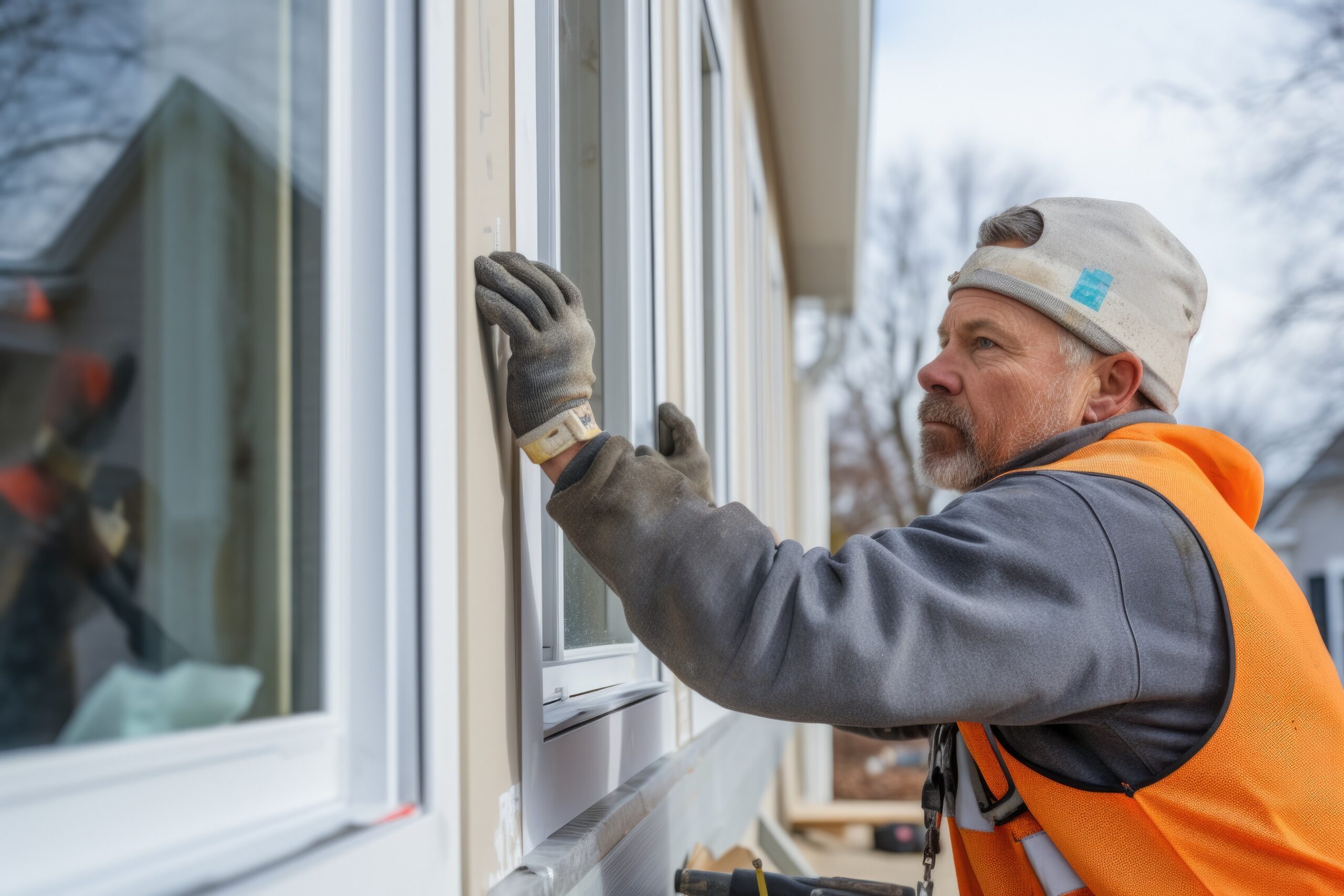
In-Law Suite Additions in Massachusetts: What South Shore & MetroWest Homeowners Need to Know
Multi-generational living is on the rise across Massachusetts, and for good reason. Whether you’re welcoming aging parents, a returning college graduate, or a family member who needs extra support, adding an in-law suite to your home is one of the most practical and value-adding home improvements you can make. If you’re a homeowner on the South Shore or in MetroWest towns south of Somerville, Colony Home Improvement has spent years helping families create beautiful, functional in-law suites that stand the test of time. In this guide, we’ll walk you through everything you need to know—from design options and zoning rules to costs and local considerations.
Why In-Law Suite Additions Are Booming in Massachusetts
Across towns like Hingham, Needham, and Wellesley, families are increasingly choosing to expand their homes rather than navigate a tight real estate market. The demand for home addition types that support multi-generational living has surged, and in-law suites sit at the top of that list. Here’s why:
- Housing costs in Greater Boston continue to climb, making it harder for adult children or elderly parents to live nearby independently
- Families want to maintain closeness while preserving privacy for everyone involved
- A well-built in-law suite dramatically increases resale value and market appeal
- Rental income potential gives homeowners a significant financial upside
- Remote work and changing family structures have made flexible living arrangements the new normal
If you’ve been considering this type of project, now is a great time to request a free consultation and start mapping out what’s possible for your property.
Types of In-Law Suite Additions to Consider
Not every in-law suite looks the same, and the right approach depends on your existing home, your lot, and your family’s specific needs. Colony Home Improvement specializes in a range of home addition projects that can be customized to create the perfect in-law living space.
1. Ground-Level Home Addition
A ground-floor addition attached to the side or rear of your home is one of the most popular options. It gives the in-law resident easy, single-level access while maintaining a clear separation from the main living area. This type of addition typically includes a private bedroom, a bathroom, a kitchenette or full kitchen, and a separate entrance. Many homeowners in Duxbury and Scituate choose this route because of generous lot sizes that allow for single-story expansion without impacting the yard too significantly.
2. Second-Story Addition with In-Law Suite
Adding a second story is an excellent strategy when lot coverage is limited. A full upper-floor addition can include a private master bedroom suite along with an adjacent in-law apartment that shares the roofline but has its own entry staircase, bathroom, and living area. This is a common choice in denser communities like Newton and Brookline, where preserving outdoor space is a priority.
3. Garage Conversion or Addition Above Garage
Converting an existing garage—or building above a new detached garage—into a self-contained in-law suite is a smart way to maximize your property. These spaces already have a degree of separation from the main house, making the transition to a livable unit more natural. Colony Home Improvement handles garage projects of all scopes, including those designed specifically for accessory dwelling unit (ADU) use.
4. Basement Conversion
In homes with unfinished or underutilized lower levels, a basement remodel can yield a fully functional in-law suite at a fraction of the cost of new construction. Egress windows, proper insulation, and thoughtful layout planning can transform even a basic basement into comfortable, private quarters with a bedroom, bathroom, and living area.
What to Expect During the In-Law Suite Addition Process
A home addition of this scale involves careful planning, permitting, and coordination. Here’s a simplified look at how the process typically unfolds when you work with a local contractor like Colony Home Improvement:
- Initial consultation and site evaluation — Colony’s team visits your property, listens to your goals, and evaluates structural and zoning constraints
- Design and permitting — Architectural drawings are prepared and permits are filed with your town’s building department; Massachusetts zoning bylaws vary significantly by municipality
- Site prep and foundation work — Excavation and foundation framing lay the structural groundwork for the addition
- Framing, rough-ins, and insulation — Walls, plumbing, electrical, and HVAC systems are roughed in before walls close up
- Interior finishes — Flooring, cabinetry, fixtures, and paint bring the space to life
- Final inspections and walkthrough — All work is inspected and approved before occupancy
The timeline for an in-law addition varies based on scope, but most projects run between three and six months from permit approval to move-in. For a deeper look at what others experience during this process, real homeowner stories from Reddit’s home improvement community offer candid first-hand accounts.
Here’s a quick look at what modern home construction looks like from the ground up:
Zoning and Permitting for In-Law Suites in Massachusetts
One of the most important—and most overlooked—steps in planning an in-law suite is understanding local zoning rules. Massachusetts towns each have their own bylaws governing accessory dwelling units, setbacks, lot coverage, and occupancy. Towns like Dover, Weston, and Westwood each have distinct requirements, and navigating them without local expertise can lead to costly delays.
Colony Home Improvement’s team works regularly across Medfield, Foxboro, Wellesley, Pembroke, and Hanover, and brings familiarity with local building departments to every project. For general consumer guidance on working with licensed contractors, the City of Boston’s home improvement contracting tips are a helpful starting point regardless of where you live.
How Much Does an In-Law Suite Addition Cost in Massachusetts?
Costs vary widely based on scope, materials, and site conditions, but homeowners in this region should generally budget:
- Basement conversion: $60,000–$120,000 depending on existing conditions and finish level
- Ground-floor addition: $150,000–$300,000+ for a fully self-contained unit
- Second-story addition: $200,000–$400,000+ depending on size and complexity
- Garage conversion/above-garage unit: $80,000–$200,000 depending on structure and scope
While these numbers may feel significant, it’s worth weighing them against the ongoing cost of separate housing, the value added to your property, and the convenience of keeping family close. According to HUD’s home improvement resources, strategic additions consistently rank among the highest-ROI home investments homeowners can make.
Colony also builds complementary spaces that enhance an in-law suite’s livability—from sunrooms and decks and porches to kitchen additions and exterior siding upgrades that tie new construction seamlessly to the existing home.
Why Choose Colony Home Improvement for Your In-Law Suite?
Colony Home Improvement has built its reputation on doing things right the first time. Serving the South Shore and MetroWest communities for years, Colony brings deep regional knowledge, transparent project management, and a commitment to craftsmanship that’s earned the trust of homeowners across the area. From the initial design conversation to the final walkthrough, you’ll work with a team that treats your home the way they’d treat their own.
Whether you’re in the early stages of exploring your options or ready to break ground, Colony is here to guide you through every step. Reach out today to schedule your free, no-obligation quote and take the first step toward giving your family the space they deserve.